Why Strength Training Is the Best Tool for Sustainable Weight Loss
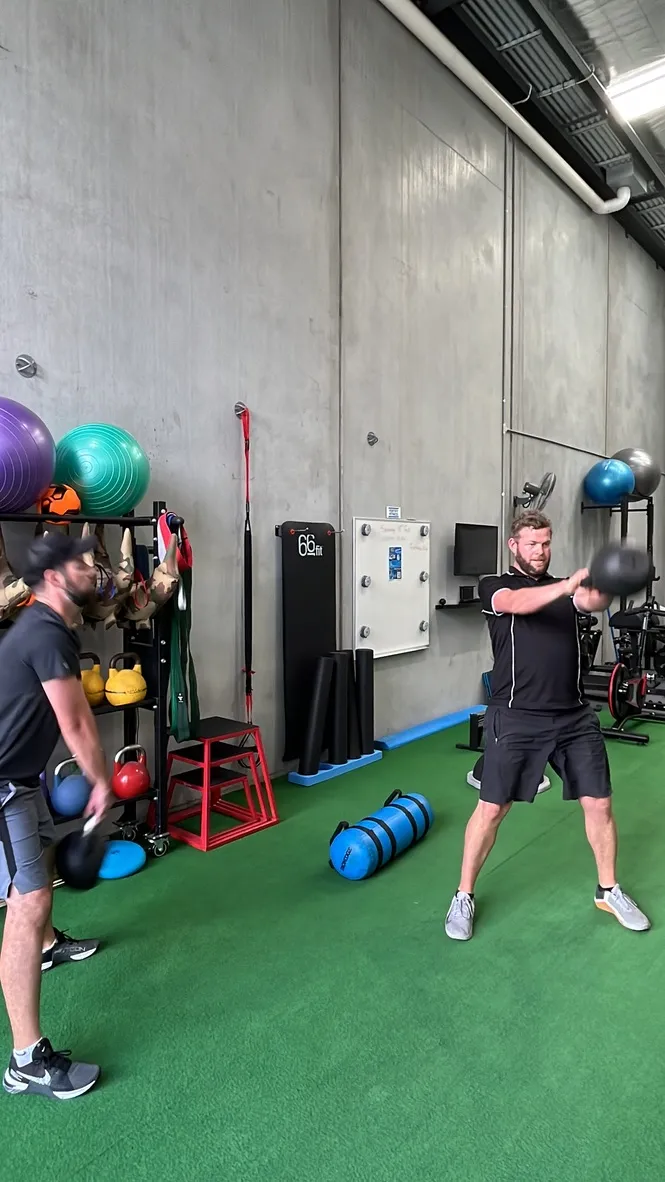
Achieving sustainable weight loss requires more than temporary calorie restrictions or endless cardio sessions. Modern scientific research increasingly highlights the superior benefits of strength training as a foundational tool for effective and lasting fat loss. By focusing on muscle development, metabolic enhancement, and personalized training strategies, strength training addresses core factors that determine long-term weight management success. This comprehensive article explores why strength training outperforms traditional cardio, uncovers the underlying metabolic science, details how Fortify Fitness in Altona North applies advanced assessment technology like the AxIT strength testing system together with Accredited Exercise Scientist expertise, and offers practical guidance on starting and sustaining a strength training routine.
1. Why Strength Training Beats Cardio for Fat Loss
Calorie Burn During and After Exercise
Cardiovascular exercises, such as running, cycling, and swimming, primarily burn calories during the activity itself. While these exercises are beneficial for heart health and endurance, the metabolic impact quickly subsides once the session ends. In contrast, strength training stimulates a significant increase in calorie burning both during workouts and for hours after, due to a phenomenon called Excess Post-exercise Oxygen Consumption (EPOC). This extended metabolic elevation means your body continues to expend energy at a higher rate, enhancing total daily calorie burn.
Preservation and Growth of Muscle Mass
One of the biggest drawbacks of relying solely on cardio for weight loss is the potential loss of muscle mass. When the body is in a calorie deficit, without resistance training stimuli, it may break down muscle for energy. Loss of muscle lowers basal metabolic rate (BMR), making it harder to maintain weight loss. Strength training not only preserves but also builds muscle tissue, which in turn increases BMR and creates a more favorable body composition by reducing fat and increasing lean mass.
Improved Exercise Engagement and Sustainability
Many individuals find repetitive cardio routines monotonous, which can reduce motivation and adherence over time. Strength training offers variety, tangible progress tracking through strength gains, and often a more engaging experience. This increased enjoyment helps foster long-term commitment, which is essential for sustainable weight loss.
Combining Strength Training and Cardio for Optimal Results
While strength training provides unique advantages, incorporating moderate cardio can still contribute to cardiovascular health and additional calorie burn. However, prioritizing resistance training as the main method for fat loss offers substantial benefits that cardio alone cannot match.
2. The Metabolic and Muscle-Mass Science Behind Strength Training
Muscle as a Metabolic Engine
Muscle tissue is metabolically expensive to maintain compared to fat. Each pound of muscle consumes more calories at rest, raising resting metabolic rate (RMR). Regular strength training increases muscle cross-sectional area and overall muscle mass, translating into sustained increases in calorie expenditure even when not exercising.
Hormonal Responses to Strength Training
Resistance training triggers beneficial hormonal adaptations, including elevated growth hormone and testosterone levels, which facilitate fat utilization and muscle protein synthesis. These hormonal shifts not only support fat loss but help prevent the loss of lean muscle during calorie restriction, a common problem with dieting.
Insulin Sensitivity and Metabolic Health
Strength training enhances insulin sensitivity, improving the body’s ability to regulate blood glucose levels. This effect helps prevent fat gain, manage weight more effectively, and reduces the risk of metabolic syndromes such as type 2 diabetes. Better metabolic health lowers inflammation and promotes overall well-being, making sustained weight loss more achievable.
Scientific Evidence Supporting Strength Training for Weight Management
Numerous studies affirm the metabolic, compositional, and health benefits of resistance training. For instance, research highlights that:
- Resistance training improves basal metabolic rate and body composition more effectively than endurance exercise alone.
- It reduces cardiovascular risk factors by improving lipid profiles and glucose metabolism.
- Training programs that focus on muscle preservation help mitigate the common issue of metabolic slowdown during dieting.
Resistance Training for Obesity & Metabolic Health
Resistance training is gaining broad acceptance as a complement to endurance exercise in the treatment of diabetes and obesity. This review focuses on the mechanisms through which resistance training affects glucose and lipid metabolism, body composition, and cardiovascular risk factors, and summarizes the clinical outcomes of resistance training in individuals with diabetes and obesity.
Resistance training in the treatment of diabetes and obesity: mechanisms and outcomes, 2009
Fat Oxidation and Post-Exercise Metabolism
Strength training elevates excess post-exercise oxygen consumption (EPOC), prolonging calorie burn after the workout. This increase in post-exercise metabolism boosts fat oxidation and contributes significantly to daily energy expenditure, supporting efficient fat loss when combined with proper nutrition.
3. Applying Science Through Fortify Fitness’s Assessment-Led Approach in Altona North
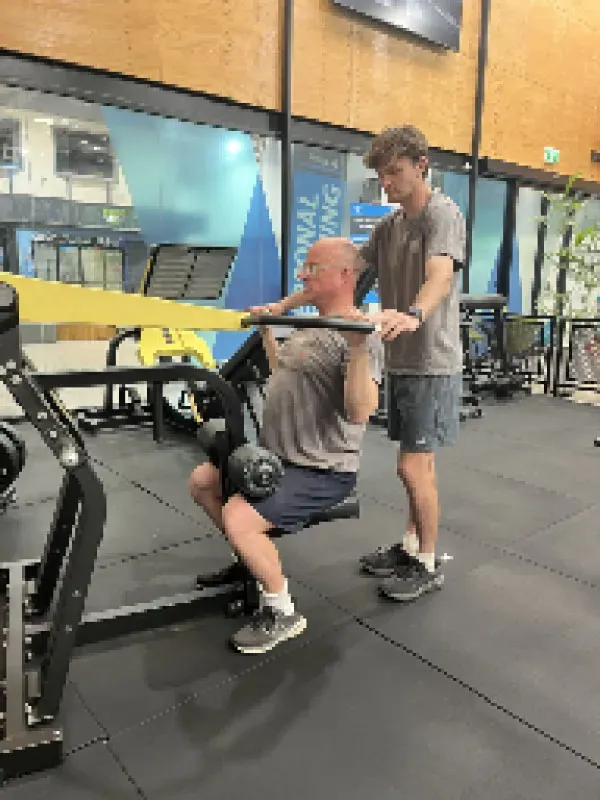
At Fortify Fitness, located in Altona North, we harness the latest scientific insights and cutting-edge assessment tools to design personalized strength training programs that maximize fat loss and health improvements. A key component of our approach is the AxIT strength testing system, a scientifically validated tool that precisely measures muscle strength, balance, and imbalances across multiple muscle groups.
Using AxIT Strength Testing for Data-Driven Programming
Understanding an individual's unique muscle strengths and weaknesses allows our Accredited Exercise Scientists to tailor programs with optimal exercise selection, intensity, volume, and progression strategies. This data-driven process ensures training is:
- Safe, reducing injury risk by addressing muscular imbalances and weaknesses
- Efficient, focusing on areas that yield the highest impact for fat loss and muscular development
- Adapted, to accommodate client preferences, goals, and specific health considerations
Expertise of Accredited Exercise Scientists
Our accredited professionals bring advanced knowledge in exercise physiology, biomechanics, and nutrition. They provide hands-on coaching, technique correction, and motivation, which together optimize training outcomes. Their expertise is especially valuable for beginners, clients with health challenges, or those managing injuries.
Integrating Nutrition and Lifestyle Support
Fortify Fitness recognizes that strength training alone is insufficient without proper nutritional support. Our programs include guidelines on balanced eating patterns focused on high-quality protein intake, energy timing, and micronutrient optimization. Additionally, we offer body composition tracking and lifestyle coaching to help clients develop lasting habits.
Programs Tailored to a Diverse Clientele
We create customizable training regimens suitable for a wide range of individuals, including:
- Beginners new to strength training
- Neurodivergent clients requiring adaptive coaching methods
- Individuals recovering from injury or managing chronic conditions
- Active adults aiming to prevent age-related muscle loss (sarcopenia)
4. Getting Started: How to Build and Maintain an Effective Strength Training Routine
Comprehensive Initial Assessment
Starting with a professional evaluation at Fortify Fitness involves the AxIT strength testing coupled with movement screenings and health history reviews. This detailed baseline helps identify priorities and set realistic expectations.
Setting SMART Goals for Sustainable Progress
Goals should be Specific, Measurable, Achievable, Relevant, and Time-bound. For example, aiming to increase squat strength by 15% over three months or reduce body fat percentage by 5% in six months. Clear targets foster motivation and guide program adjustments.
Learning Proper Form and Technique
Mastering correct movement patterns is critical not only for safety but for maximizing muscle recruitment and training effectiveness. Our Accredited Exercise Scientists provide step-by-step coaching and feedback in person or via virtual sessions to ensure optimal technique.
Program Structure and Frequency
Effective strength training programs for fat loss commonly involve:
- 2–4 sessions per week targeting major muscle groups
- Progressive overload principles to gradually increase training stimulus
- A variety of compound and isolation exercises
- Integrated recovery days allowing for muscle repair and adaptation
Incorporating Recovery and Injury Prevention Strategies
Proper recovery is essential to prevent overtraining and injuries. Techniques include adequate sleep, nutrition, hydration, mobility work, and rest days. Our programming embeds these principles alongside education for sustained health.
Maintaining Consistency and Adjusting Over Time
Adherence is paramount for long-term success. Fortify Fitness supports clients through group training options, accountability coaching, and regular progress reviews to sustain motivation and adapt programs as fitness levels evolve.
Injury Prevention and Management Through Strength Training
One of the often-overlooked benefits of strength training during weight loss is injury prevention. Stronger muscles, tendons, and ligaments improve joint stability, reducing risks of strains or overuse injuries common in calorie-restricted states.
- Proper Form and Technique: Instruction focuses on joint alignment, movement efficiency, and avoiding compensations.
- Recovery Strategies: Education on rest periods, active recovery, and managing workload intensity to facilitate healing.
- Functional Movement Drills: Exercises that enhance coordination, balance, and mobility further protect against injury.
The Vital Role of Nutrition

Nutrition and strength training are inseparable partners in sustainable fat loss. Consuming sufficient protein supports muscle repair and growth. Balanced macronutrient intake fuels workouts and recovery, while micronutrients and fiber promote overall health and satiety. Fortify Fitness integrates individualized nutritional guidance to complement training, enhancing client results and well-being.
Long-Term Weight Management and Lifestyle Integration
Sustainable weight loss is not about short bursts of dieting or sporadic workouts but about adopting lifelong habits. Strength training enhances energy levels, mood, cognitive function, and body confidence, all of which encourage ongoing physical activity and healthier lifestyle choices.
The Importance of Muscle Preservation
Muscle preservation safeguards against metabolic decline that typically accompanies weight loss. It reduces the likelihood of weight regain, sometimes referred to as the weight-loss paradox, by maintaining higher energy expenditure and functional capacity.
Resistance Training for Muscle Preservation & Metabolic Health
The role of resistance and aerobic exercise is also discussed as essential in counteracting sarcopenia and maintaining physical function. In addition, emerging evidence on the use of nutritional supplements and functional foods as adjunctive tools is explored. Practical clinical recommendations and future research directions are provided to guide safe and effective weight management in older adults. The review advocates for a shift from BMI-centered strategies to body composition–focused approaches that prioritize functional and metabolic health.
The weight-loss paradox in older adults: balancing fat loss with muscle preservation, S Arslan, 2025
Fortify Fitness’s Unique Approach to Sustainable Fat Loss
In summary, Fortify Fitness in Altona North combines evidence-based strength training methodologies with advanced assessment tools and expert coaching. Our use of the AxIT system to objectively measure and tailor programming, along with Accredited Exercise Scientist leadership, sets a high standard for safe, effective, and individualized fat loss interventions.
Supporting Diverse Clients for Maximum Impact
Whether you are a novice, managing a chronic condition, or seeking to optimize athletic performance, our team develops programs that account for unique needs and goals. Regular monitoring and adaptive strategies ensure progress continues while minimizing injury risk.
Group Personal Training Opportunities
Fortify’s group training sessions provide a supportive and motivating environment that enhances accountability and social connection. Group settings offer expert coaching at a more accessible cost, making strength training sustainable and enjoyable.
Get Started Today
Empower yourself with the most effective tool for sustainable weight loss and health improvement. Contact Fortify Fitness in Altona North to schedule your comprehensive AxIT strength assessment and begin a customized, research-backed strength training program led by Accredited Exercise Scientists. Build strength, improve metabolism, and achieve lasting fat loss with professionalism and personalized care.